
Global Trade Tensions and Australian Exporters: 2025 Outlook
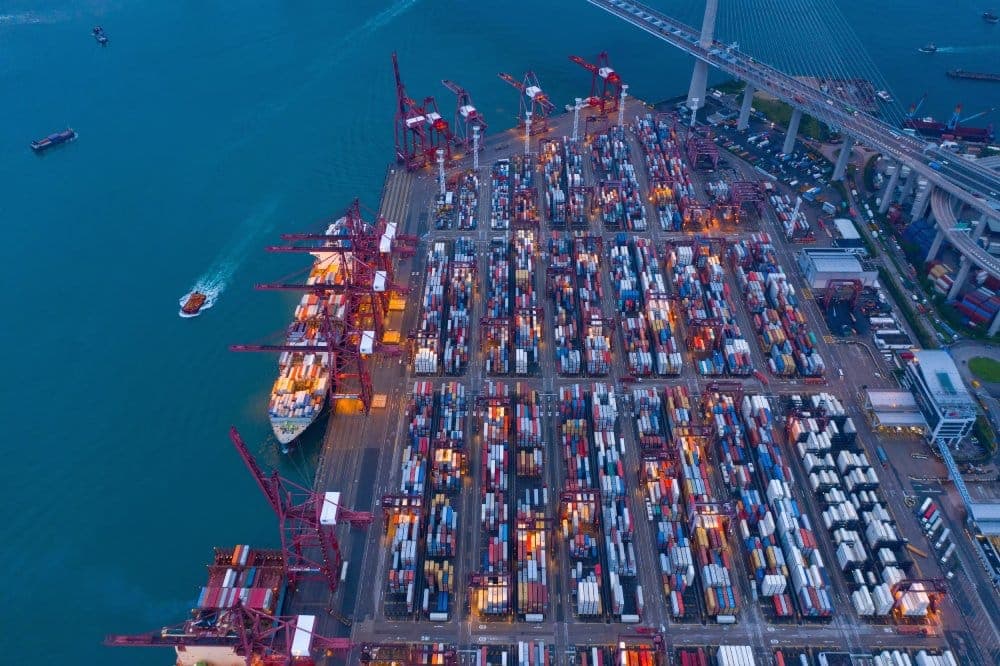
Melbourne-based investors and exporters must stay alert to evolving global trade dynamic. In 2025, Australian exporters are facing one of the most complex global trade environments in decades. With protectionist policies on the rise, geopolitical tensions simmering, and major economies like the United States and China recalibrating their trade alliances, Australian businesses that rely on exports are navigating through serious challenges and emerging opportunities.
One of the most headline-grabbing developments has been the reintroduction of tariffs by the United States. A 10 percent levy on Australian steel and aluminium imports has triggered concern among manufacturers and miners. This move is part of a broader strategy by the US to favour domestic production and recalibrate its global trade relationships. As reported by Reuters, the Australian government declined to align with China in a retaliatory front, choosing instead to pursue bilateral diplomacy and market diversification.
China, once Australia’s largest trade partner, has also reduced its imports of key Australian commodities in response to past political tensions. While some restrictions have eased, the message to exporters is clear: market concentration is a risk. Businesses that relied too heavily on Chinese demand are now reassessing their strategies.
So where does that leave the modern Australian exporter?
Southeast Asia, India, and the United Arab Emirates have emerged as key alternative markets. These economies have strong growth trajectories, expanding middle classes, and increasing demand for Australian products, especially in food, education, and clean energy. Exporters who have adapted their logistics and compliance frameworks to serve these markets are already seeing the benefits of reduced reliance on China and the US.
Currency volatility adds another layer of complexity. The Australian dollar has fluctuated significantly due to global monetary policy shifts, oil price movements, and geopolitical risk premiums. Exporters need to manage foreign exchange exposure carefully. Tools like forward contracts and currency options allow businesses to lock in favourable rates or hedge against downside risk. It’s no longer optional and currency strategy is now central to export profitability.
Logistics and supply chains have also changed dramatically. Delays, increased freight costs, and unpredictable customs rules are now part of the exporting equation. Businesses that have invested in supply chain technology, diversified their shipping providers, and established inventory buffers are better equipped to respond to disruptions.
Beyond practical operations, ESG standards and traceability requirements are becoming essential in securing international deals. Buyers want to know that Australian goods are produced ethically, sustainably, and with transparency. For industries like agriculture and mining, demonstrating compliance with global ESG benchmarks is no longer just a reputational bonus, but a commercial necessity.
Exporters also need to be aware of geopolitical developments beyond Australia’s control. Sanctions, trade disputes, or political unrest in third countries can interrupt trade flows and buyer relationships. Staying informed through trade bodies, government bulletins, and independent news sources is vital for risk management.
The Australian government has launched several initiatives to support exporters. Austrade offers grants, market insights, and introductions to overseas buyers. The Export Finance Australia scheme provides funding for businesses expanding into new markets. Additionally, free trade agreements with the UK, India, and Southeast Asia offer tariff relief and easier market access. Business owners should assess which agreements are most relevant to their industry and work with professionals to interpret the details.
For agriculture, opportunities lie in premium branding and provenance. Australian beef, wine, and grains are regarded globally for their quality. Exporters who tell a strong brand story, backed by certifications and traceability, can command higher margins in premium markets. For tech and education providers, the key is aligning offerings with the needs of growing economies and establishing reliable on-ground partners.
But diversification doesn’t mean abandoning traditional partners. Rather, it means balancing the portfolio. Businesses with clients in the US and China should continue to nurture those relationships while also expanding into new regions. Risk management is about building options, not making sudden exits.
A strategic export plan must also consider cash flow timing. Payment terms in new markets can vary, and cultural or bureaucratic differences may delay receivables. Exporters should prepare for longer cash cycles and consider trade finance tools like invoice factoring or export loans to bridge the gap.
Leadership and adaptability are what separate businesses that thrive from those that struggle during disruption. Export-focused companies need agile teams, strong advisory support, and the willingness to evolve with changing global conditions. A rigid business model rarely succeeds in a fluid trade environment.
At Obsidian Wealth, we support exporters through strategic structuring, foreign exchange strategy, capital management, and business planning. Whether you are new to exporting or scaling an existing model, we help you align your financial framework with global realities. Export success is not just about shipping products overseas – it’s about creating a system that works, even when the world doesn’t.
The next five years will reshape global trade, and Australia must position itself not just as a reliable supplier, but as a value-driven partner with resilience, sustainability, and vision. Exporters who embrace this shift will lead the next wave of Australian growth.
Discover how Obsidian helps exporters future-proof their strategy.
If you’re seeking clarity on how global trends affect your wealth, Obsidian Wealth’s Melbourne advisory team is here to help.
The information on this website is general in nature and does not take into account your personal objectives, financial situation or needs. Before acting on any information you should consider its appropriateness and read the relevant Financial Services Guide.
Want to know how this applies to your situation?
Start with a free 15-minute conversation.
Book a call